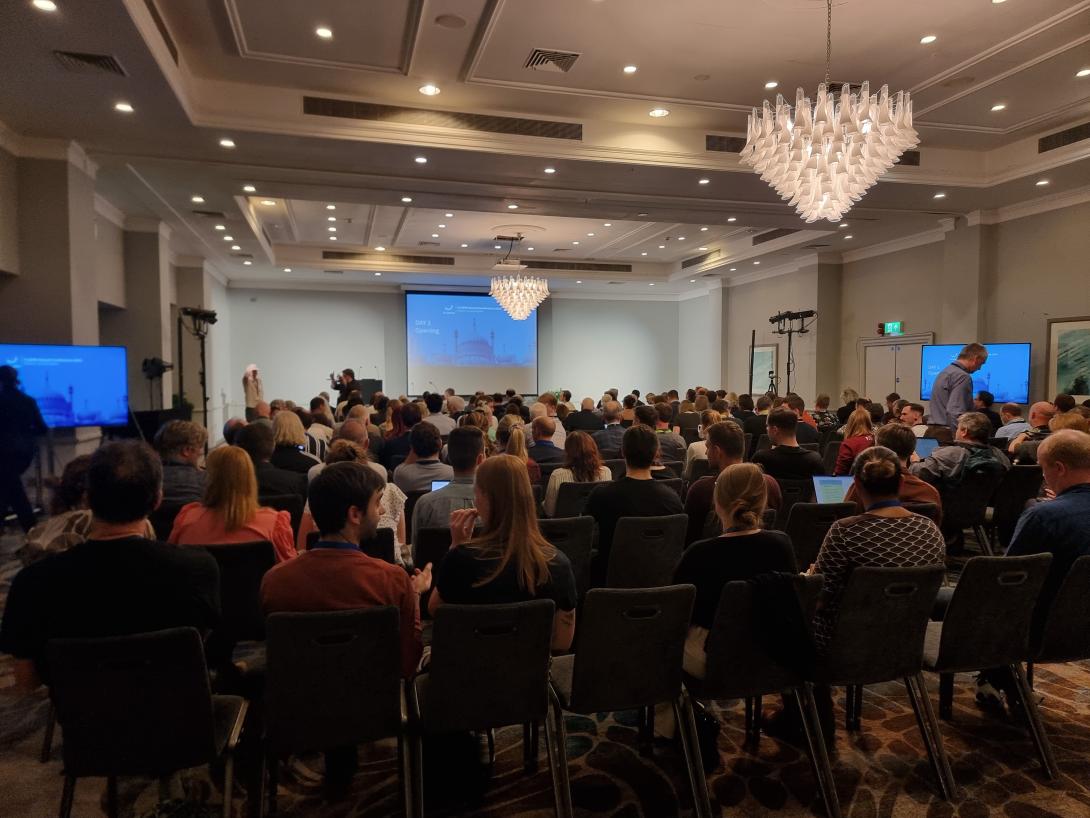
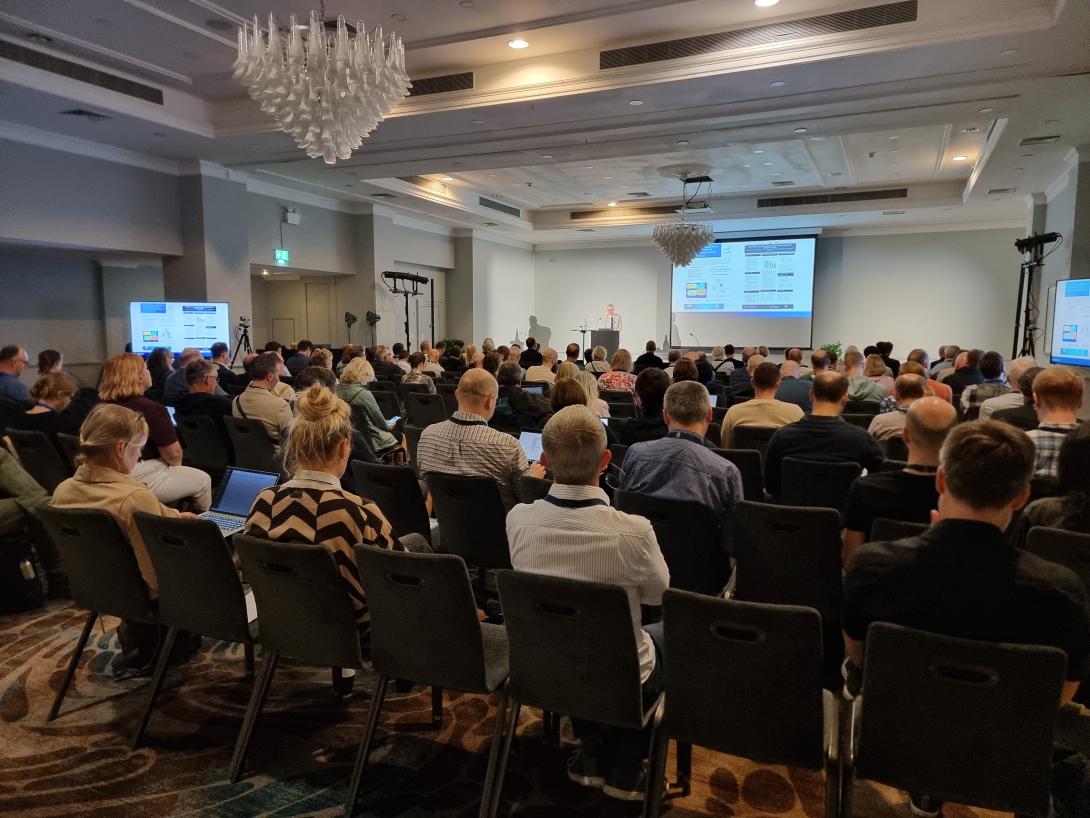
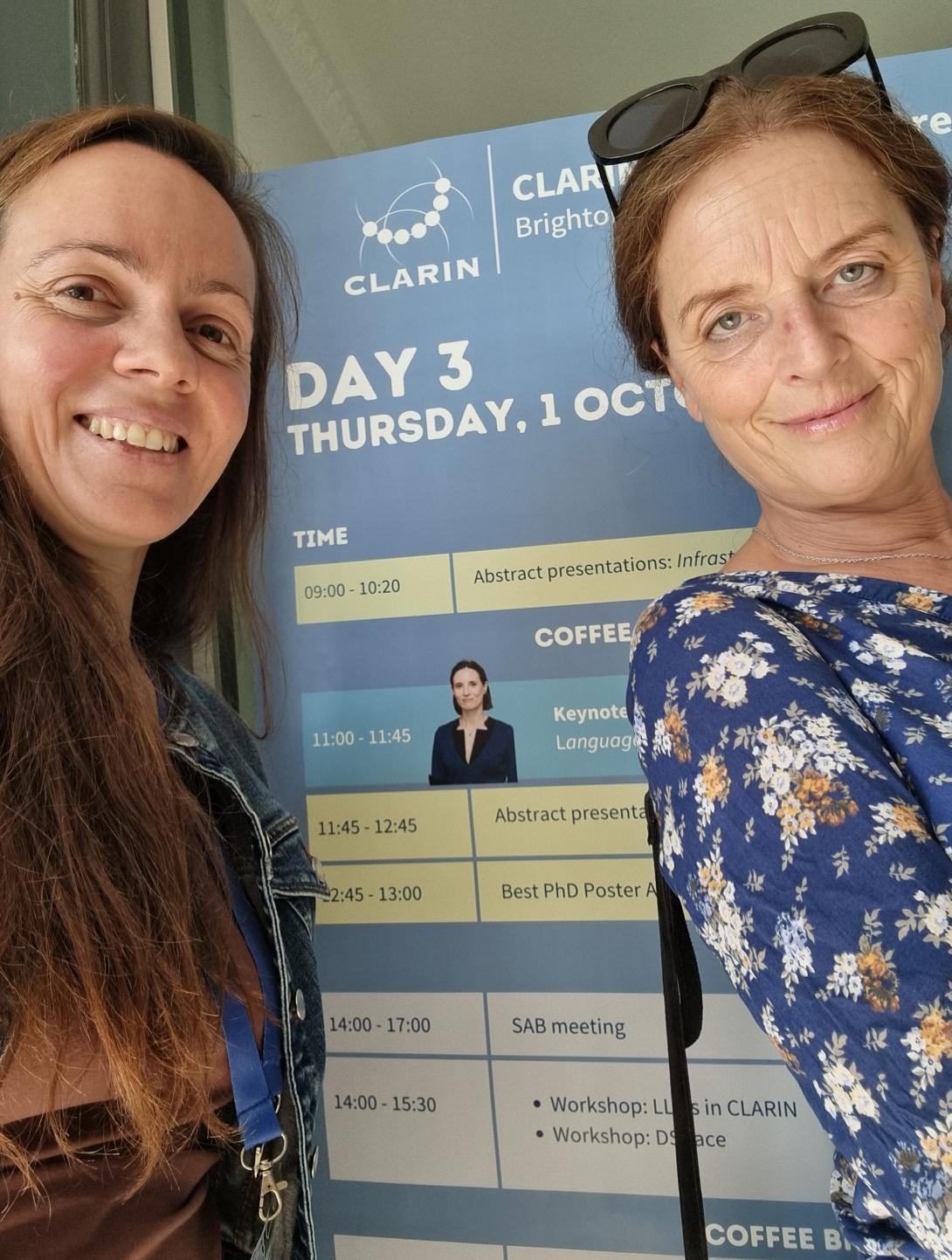
From September 29 to October 1, 2026, CLARIN operators, users, and other interested parties from the fields of linguistics, the humanities, and the social sciences gathered in Brighton at the CLARIN Annual Conference 2026 to discuss the developments of the past year, present their latest work and findings, and exchange ideas and experiences with one another.
Founded in 2012, CLARIN (Common Language Resources and Technology Infrastructure) ERIC (European Research Infrastructure Consortium) has established and maintains a distributed digital infrastructure—through collaboration among universities, research centers, libraries, and archives in Europe and beyond—that offers easy access to a wide range of language data and tools. The ability to access these data and services collectively has recently entered a new phase and expanded further through the harmonisation of the CLARIN and EOSC (European Open Science Cloud) platforms, as well as the CLARIN and SSH Open Marketplace cloud-based platforms.
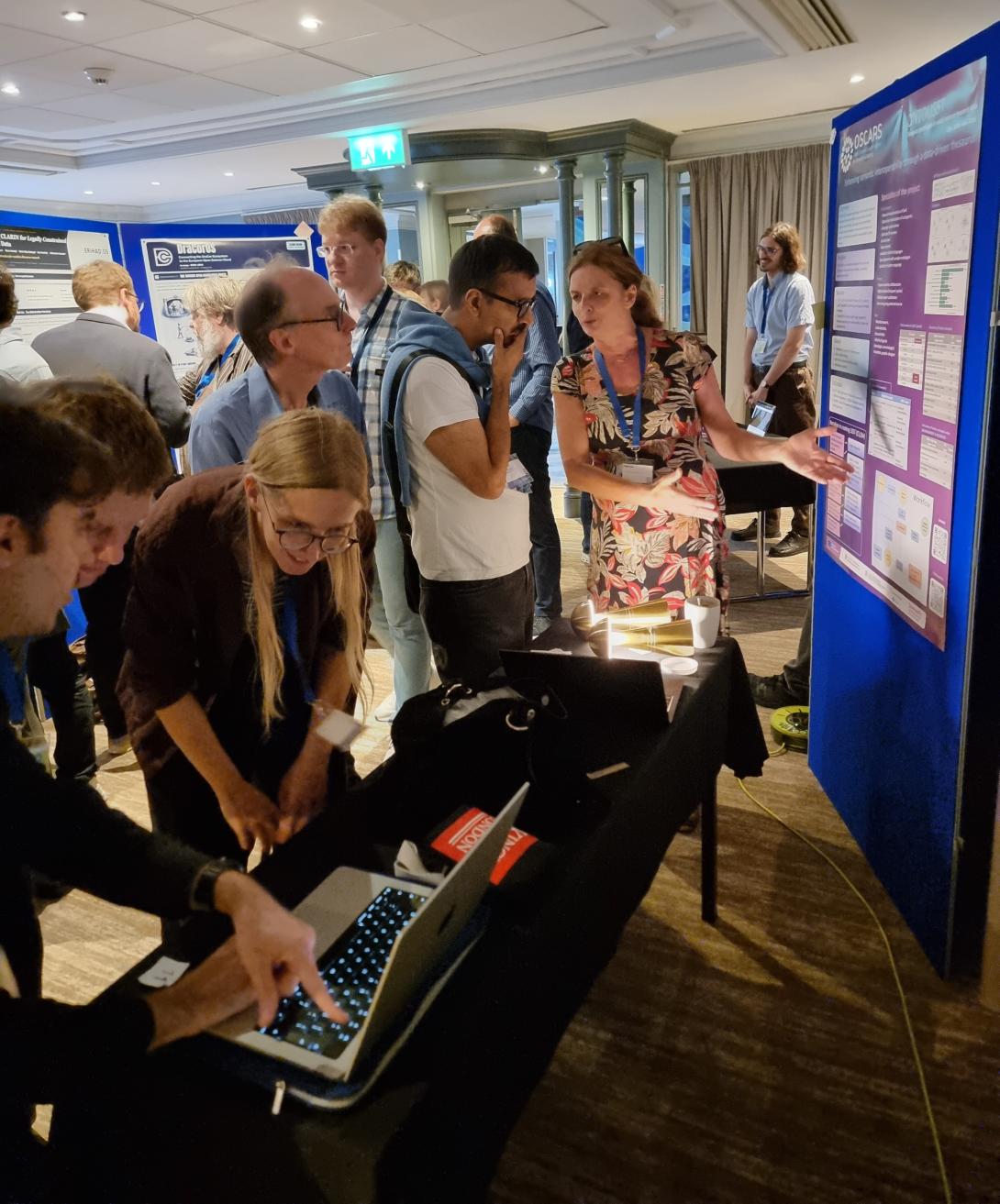
At this year’s conference, which drew more than 200 in-person and 50 online participants, the audience had the opportunity to view 49 presentations—16 oral presentations and 33 poster presentations. During the sessions, participants heard about the numerous findings of various research groups working on “ParlaMint,” one of CLARIN’s largest projects; the use of CLARIN by galleries, libraries, archives, and museums; the evolution and development of the infrastructure; and the use of large language models.
At the event, Júlia Egyed-Gergely (ELTE TK, HUN-REN ARP) and Róza Vajda (ELTE TK, HUN-REN ARP) presented a poster on the ONTOLISST project—a joint initiative of the Research Documentation Centre at the Centre for Social Sciences, the poltextLAB at the Centre for Social Sciences, the Finnish Social Science Data Archive at Tampere University in Finland, and the SciencePo Fondation Nationale des Sciences Politiques Centre for Sociopolitical Data in France including its objectives, steps, and results. In addition, they discussed the services offered by the Data Repository Platform and gained valuable knowledge and information about the structure, operation, and use of other similar infrastructures.
In conjunction with their participation in the conference, ARP staff also visited CLOSER, a London-based organization operating within the UCL Social Research Institute (SRI), which is a leading interdisciplinary professional organization dedicated to longitudinal population research in the social and biomedical sciences. At the professional meeting, presentations were given on, among other topics, the structure of the Data Repository Platform, its components, its expanding data collection, and its users.
Thank you to the organizers of CLARIN2026 for a substantive, exciting, and inspiring conference, as well as for welcoming us to CLOSER and for the valuable conversation!

Thumbnail: From the event page