In 2026, the European Open Science Cloud (EOSC) officially entered its operational phase with 14 national and thematic nodes. This milestone was one of the central topics of the EOSC Symposium, held in Florence on October 14–16, 2026. Participants discussed, among other topics, the new opportunities for collaboration and research offered by such a federated, pan-European research infrastructure, as well as the directions its future development should take.
At this year's symposium, the Department of Distributed Systems (DSD) of HUN-REN SZTAKI, which develops and operates the ARP Research Data Repository Platform, was represented by Dr. László Kovács, András Micsik, and Balázs Pataki. One of the key objectives of SZTAKI and DSD is to establish a Hungarian national EOSC node as soon as possible, potentially building on the existing ARP infrastructure. ARP was designed from the ground up to federate Hungarian research repositories, making their research outputs accessible through a single, centralized interface. At the same time, the infrastructure was designed to integrate into larger federations, primarily EOSC itself.
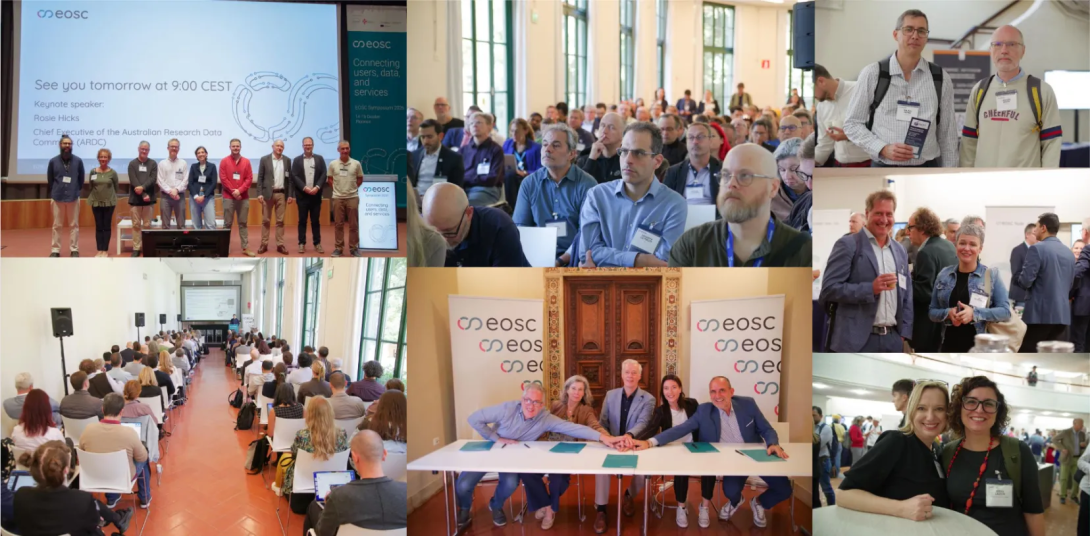
Although the establishment of a Hungarian national EOSC node is still pending, DSD researchers are continuously working towards making it a reality. To this end, they actively participate in EOSC working groups to stay informed about emerging recommendations and contribute to shaping them. In parallel, they are developing new services that could benefit researchers not only in Hungary but also across Europe and beyond.
One such development is RocKIT (RO-Crate KIT), a desktop application that enables researchers to create and edit research data packages in RO-Crate format directly on their own computers. By supporting local data processing and metadata management, RocKIT allows researchers to retain control over their data and decide when and where to upload their properly prepared and curated data packages. The application currently supports uploading data packages to the ARP repository, any Dataverse-based repository, and Zenodo, with the range of supported repositories set to expand continuously.
During the symposium, we introduced RocKIT to the representatives of more than 20 EOSC nodes and other organizations through face-to-face meetings, receiving overwhelmingly positive feedback. Many existing research data management systems lack the ability to perform metadata editing and data processing locally, on the user's own computer, capabilities that are essential for supporting data sovereignty and data security. Instead, these functionalities are typically available only through cloud-based services. RocKIT aims to address this gap by providing researchers with a locally operated solution that allows them to maintain full control over their data.
The feedback received at the symposium confirmed significant international interest in solutions based on local data processing, potentially opening up new opportunities for collaboration and further development for both RocKIT and DSD.
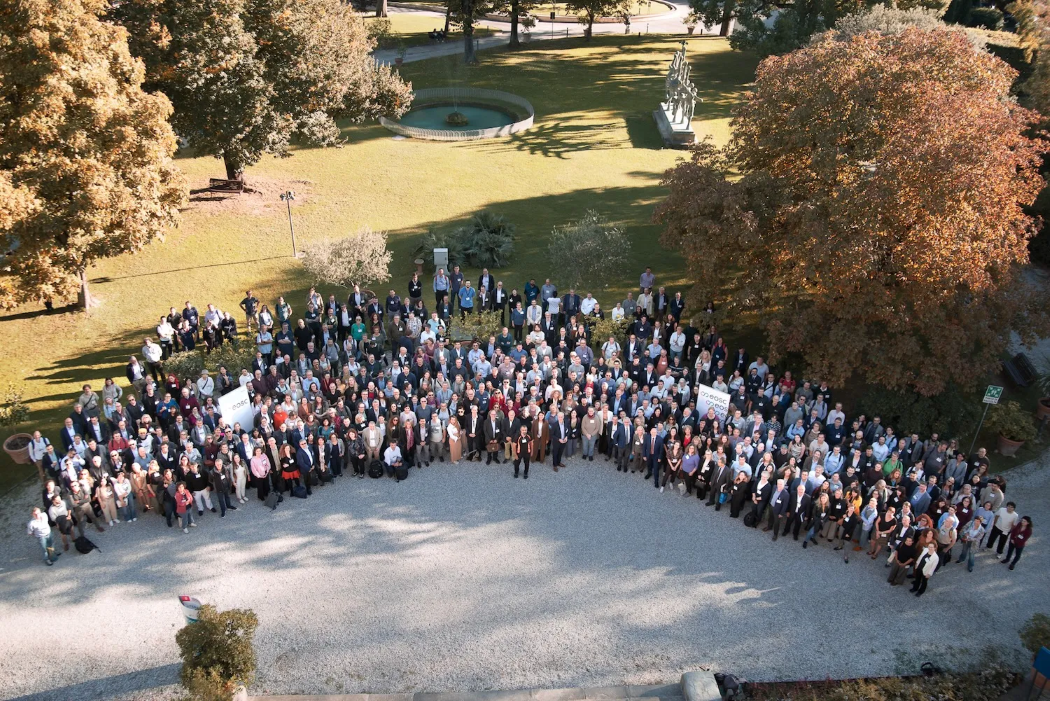
Photos: from the event and the HUN-REN SZTAKI pages
Thumbnail: from the EOSC page